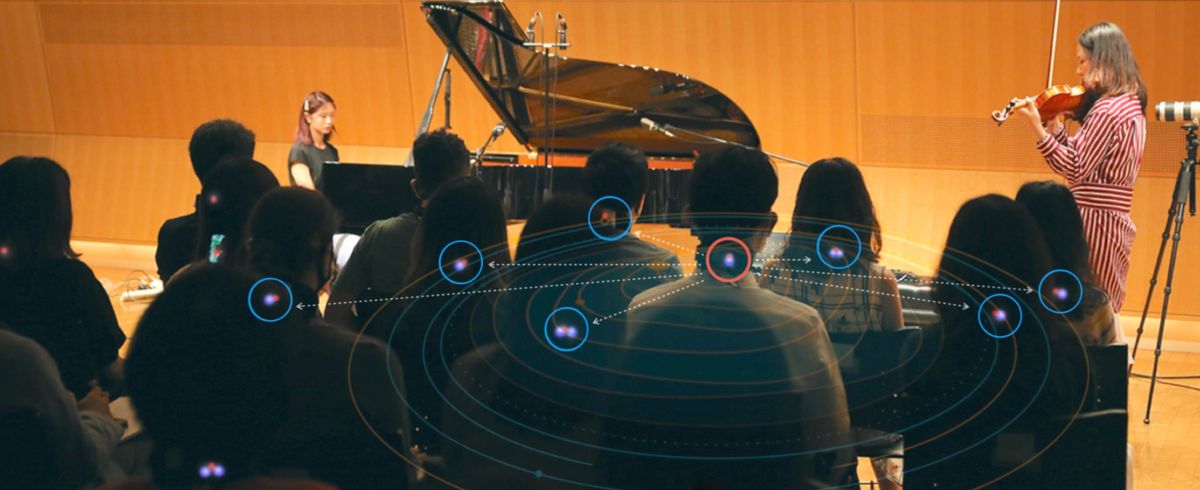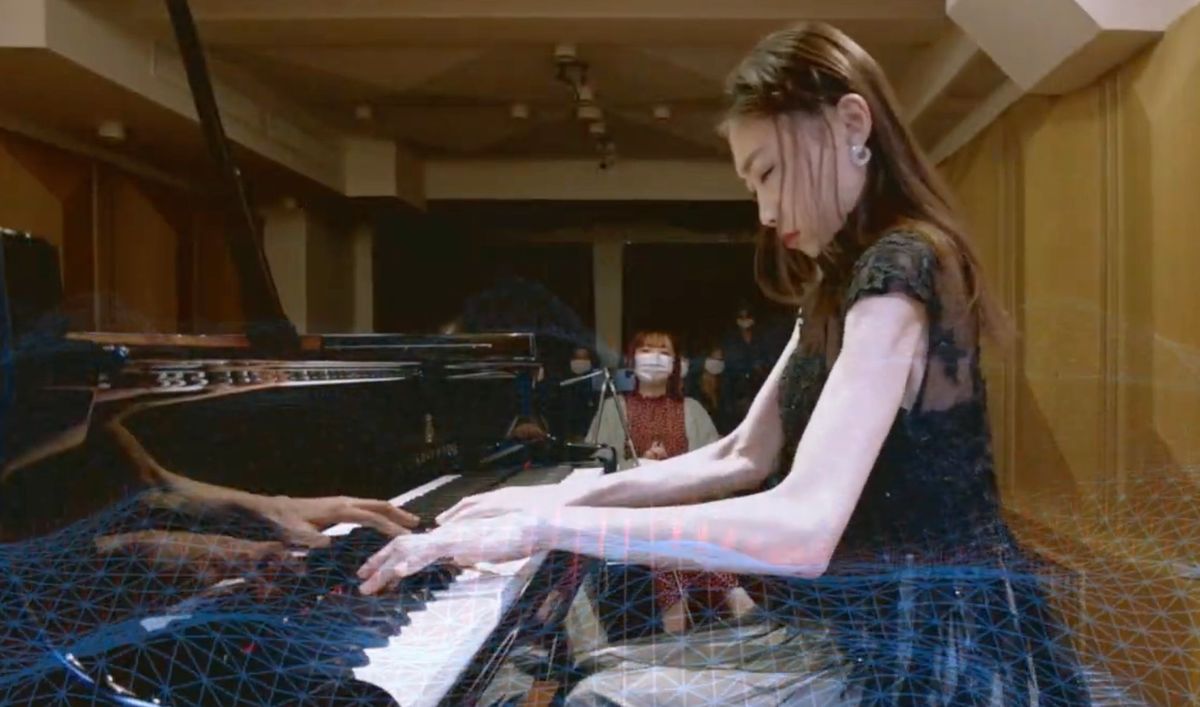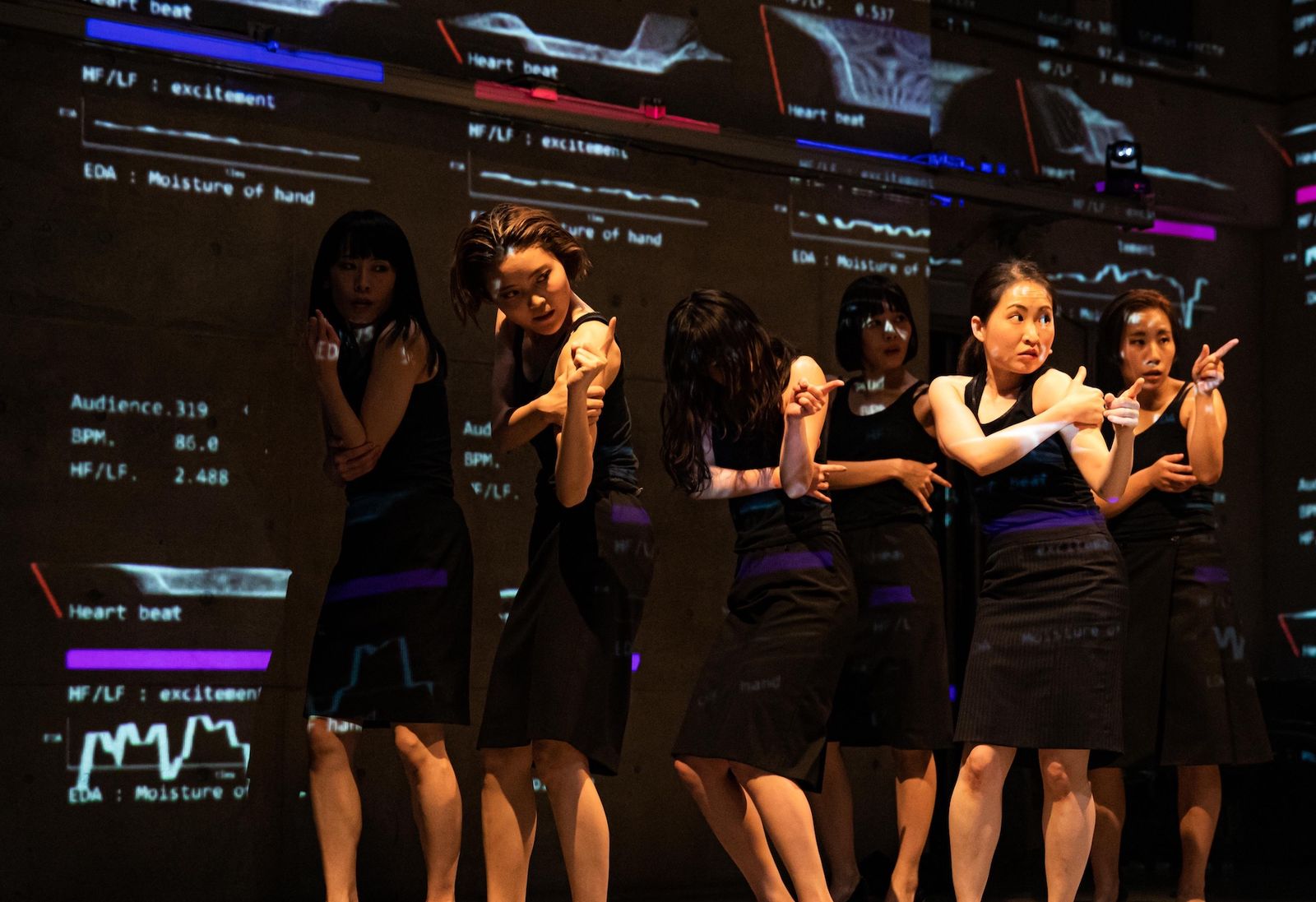
Digitalized Emotion is about making emotional states measurable, transferable and shareable. Physiological signals change with what a person feels, and wearable sensors can pick these changes up outside the laboratory. In two projects, BoilingMind and Frisson Waves, the group recorded the physiology of audiences during live performances; performers and researchers could then work with the crowd’s collective response.
Methods. The main instruments are wearable sensors for electrodermal activity (EDA) and motion, built into prototypes that people can wear through a full concert or theatre evening. Because emotions rarely appear on command, studies take place in real settings such as live performances rather than only under controlled lab conditions. Quantitative signal data is combined with qualitative accounts of what the audience experienced.
Goals. Behind this line stands the chair’s third goal: sustainable, emotional interaction and digital empathy. Planned systems will capture emotional responses to environmental problems and show what these issues actually trigger in people, in support of sustainable behaviour.
Era: TU Clausthal, Human-Centered Information Systems (since April 2026), and GEIST lab, Graduate School of Media Design, Keio University.
Source: ifi-hcis.tu-clausthal.de.
Gallery
2 images