Theses
6 open topics for Bachelor and Master theses. Own proposals in these fields are welcome; every thesis starts with a short exposé.
6 topics
Open topics
Reading and attention recognition, gaze synchronisation and activity recognition; applications for cognitive health up to dementia prevention.
Prerequisites
Basic machine learning and a user-study mindset.
ContactTopic and how to apply: Cognitive augmentation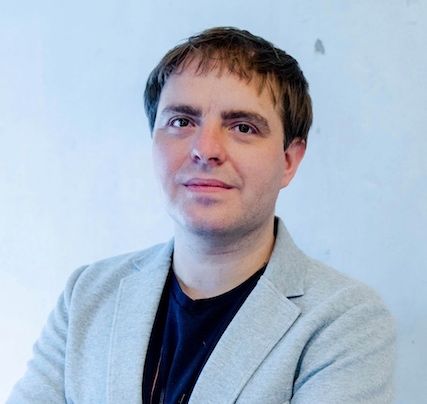 Prof. Dr. Kai KunzeProfessor and head of the chair
Capturing, transmitting and sharing emotional reactions, e.g. audience physiology at live performances (BoilingMind, Frisson Waves) or systems for digital empathy and sustainable behaviour.
Prerequisites
Interest in physiological sensing and study design.
ContactTopic and how to apply: Digitalised emotionsProf. Dr. Kai KunzeProfessor and head of the chairOpen topic
Eyewear computing and wearable sensing
Eyewear Computing und tragbare Sensorik
Research areaAugmented PerceptionSmart glasses and wearables that unobtrusively capture electrodermal activity, eye movements (EOG) and body motion in everyday life; from hardware prototype to signal analysis.
Prerequisites
Interest in hardware prototyping or signal processing; Python helps.
ContactTopic and how to apply: Eyewear computing and wearable sensingProf. Dr. Kai KunzeProfessor and head of the chairOpen topic
Human-robot interaction (HRI)
Mensch-Roboter-Interaktion (HRI)
Research areaFloating CompanionDesign and evaluation of interaction between people and robots, e.g. with soft floating robots following the DIS '26 paper “Floating Companion”, or in the context of the Human-AI and Human-Robot Cooperation lab.
Prerequisites
Prototyping skills (hardware or software) and interest in user studies.
ContactTopic and how to apply: Human-robot interaction (HRI)Prof. Dr. Kai KunzeProfessor and head of the chairOpen topic
Serious games and human-machine interaction
Serious Games und Mensch-Maschine-Interaktion
Research areaCognitive AugmentationGame-based applications and user-centred interaction design, building on the chair's courses.
Prerequisites
Game or interface development experience from the chair's courses.
ContactTopic and how to apply: Serious games and human-machine interactionProf. Dr. Kai KunzeProfessor and head of the chairOpen topic
Participatory design in health care
Partizipatives Design im Gesundheitswesen
Research areaCognitive AugmentationDesigning digital tools for care and health settings together with the people who use them, e.g. the further development of CLARA, the chair's speech documentation system for care: offline speech recognition, multilingualism, integration with existing documentation systems.
Prerequisites
Software engineering; interest in participatory methods, speech recognition or healthcare IT.
ContactTopic and how to apply: Participatory design in health care Dominik SchulzResearch associate