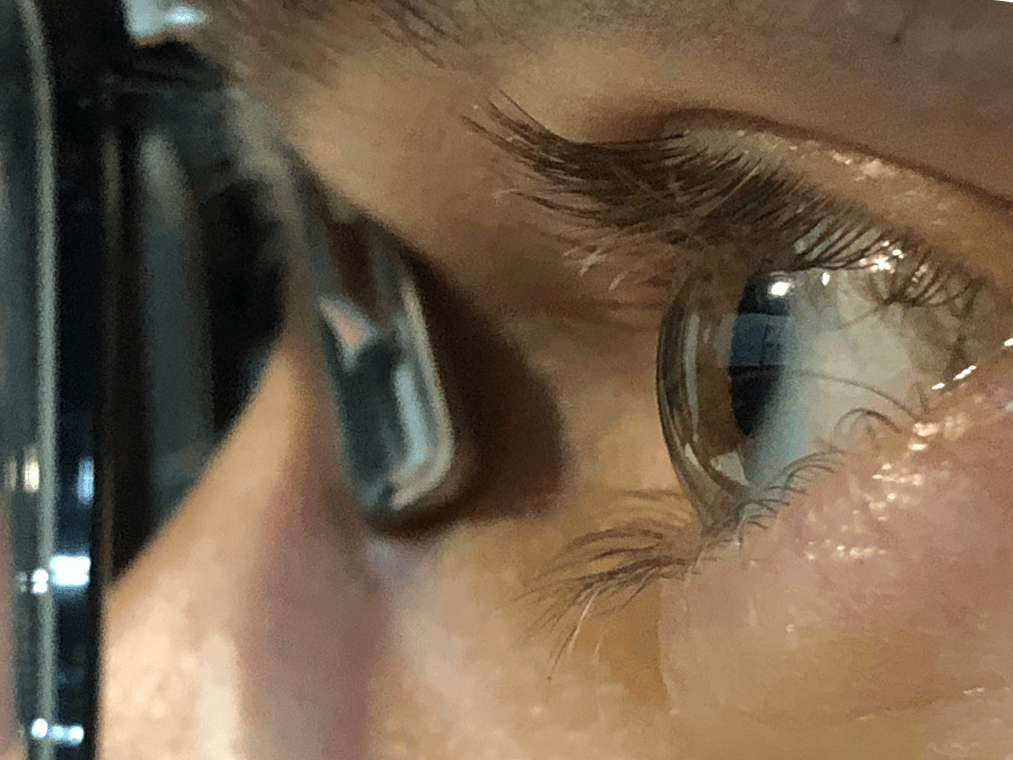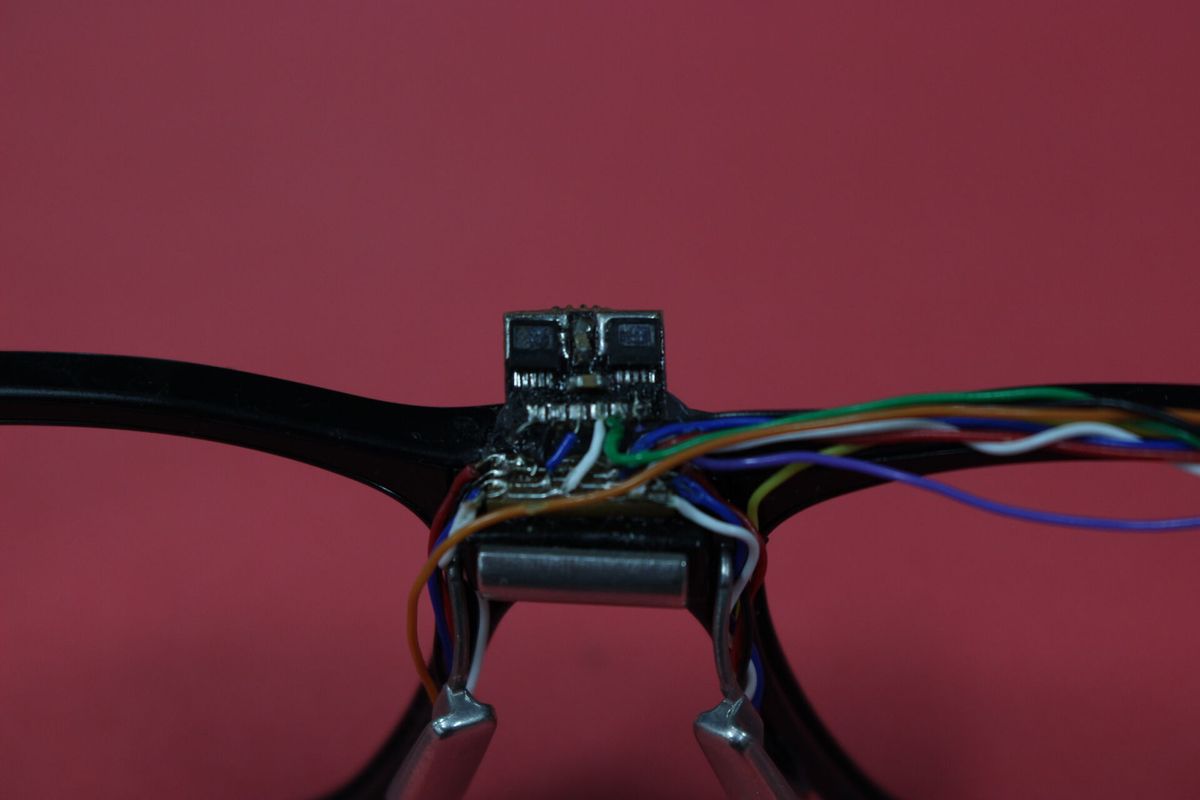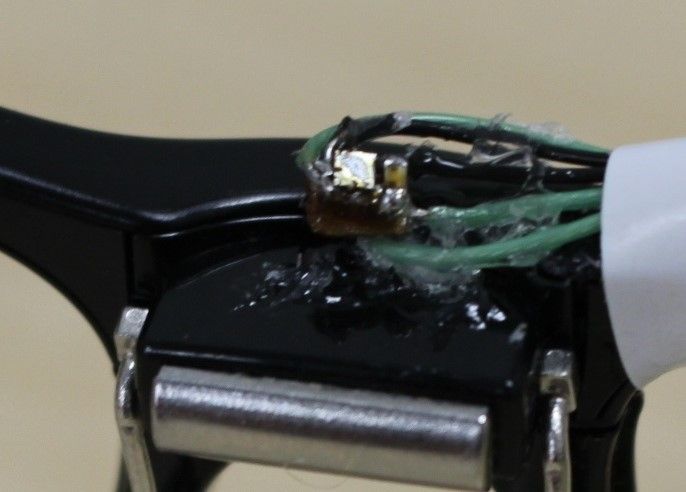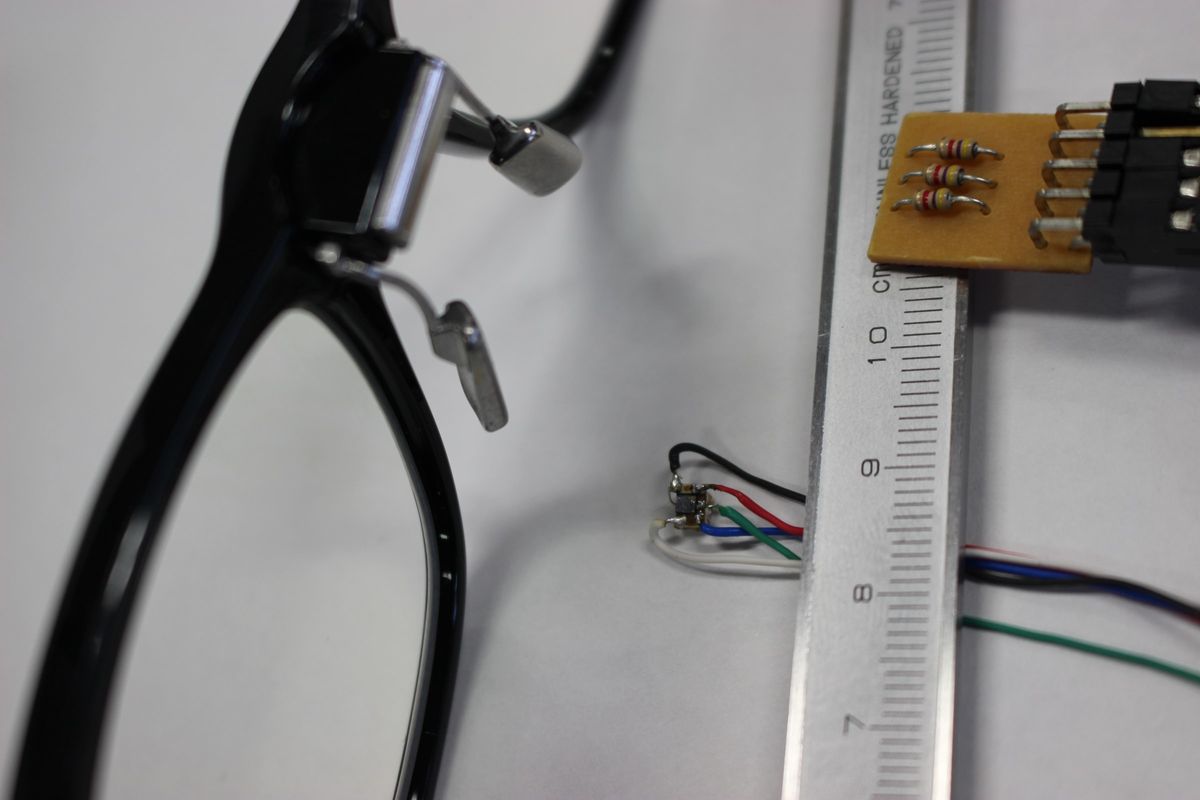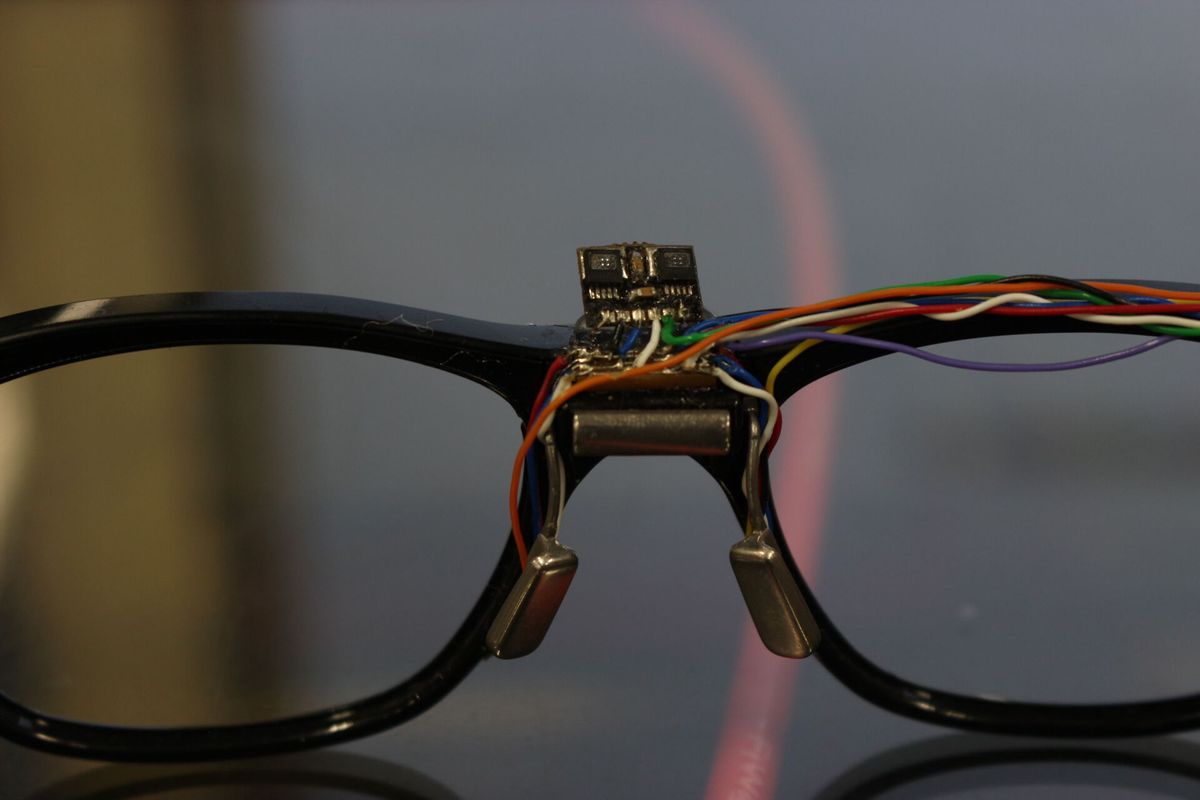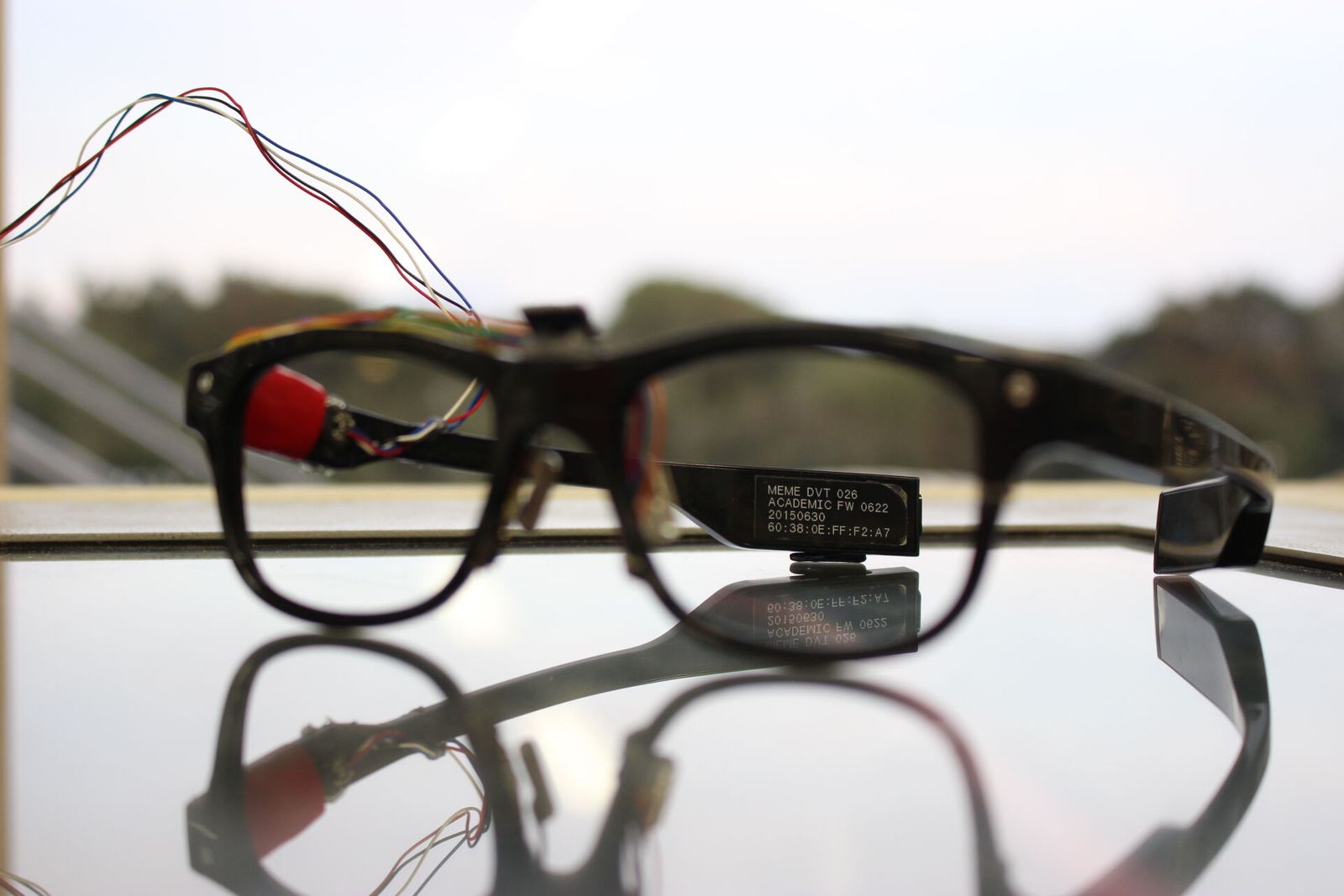
Augmented Perception treats glasses and other wearables as a computing platform that sits directly at the human senses. A pair of smart glasses can measure electrodermal activity (EDA), eye movement (EOG) and head motion while the wearer goes about a normal day. The same position close to eyes and ears also allows actuation, so the device can give feedback where perception happens. The line provides the hardware base for the other two research lines of the chair, Cognitive Augmentation and Digitalized Emotion.
Methods. The group builds much of its hardware itself. Rapid prototyping of wearable interaction systems makes it possible to move from an idea to a testable device quickly. Prototypes are then evaluated in laboratory and field studies with quantitative and qualitative methods. A recurring question is how to keep the sensing unobtrusive: measurements should not require extra equipment or interrupt what the wearer is doing.
Goals. This line supports accessible, barrier-free human-machine interaction, one of the chair’s strategic goals. Planned Living Labs with municipal partners and health institutions will test the devices in real living environments.
Era: TU Clausthal, Human-Centered Information Systems (since April 2026), and GEIST lab, Graduate School of Media Design, Keio University.
Source: ifi-hcis.tu-clausthal.de.
Gallery
5 images