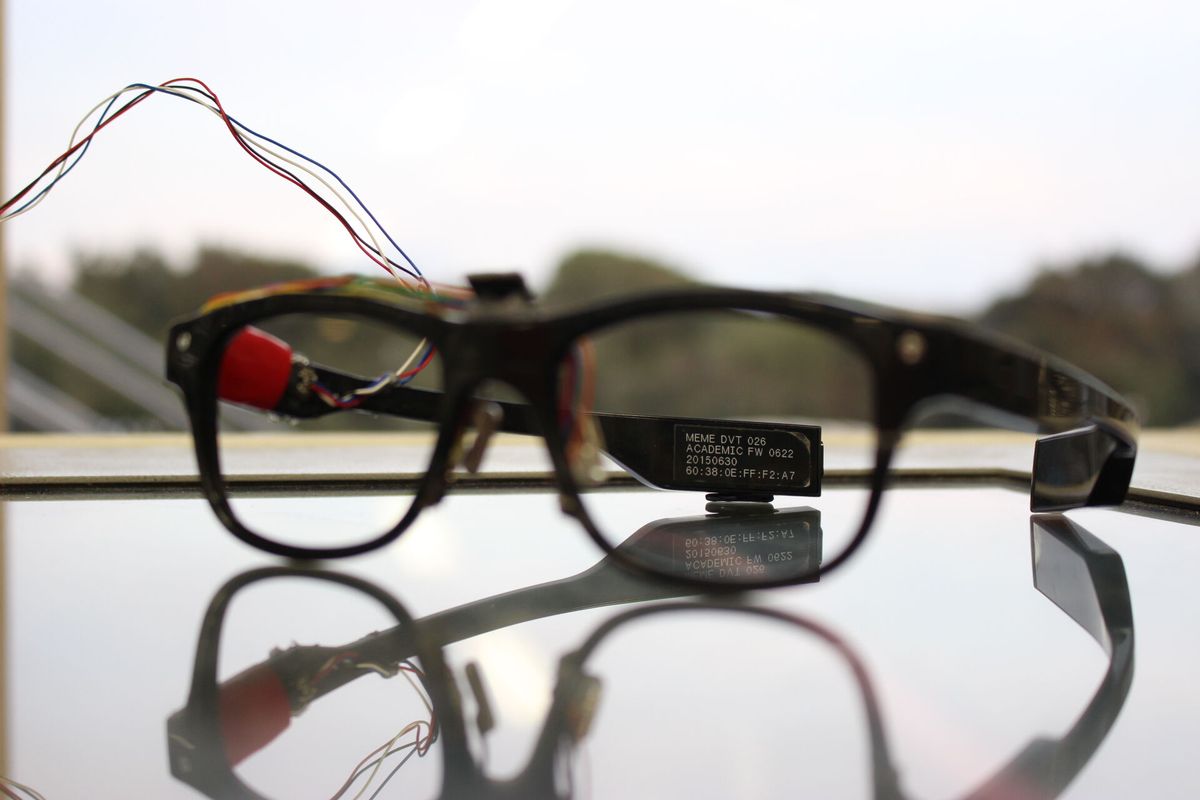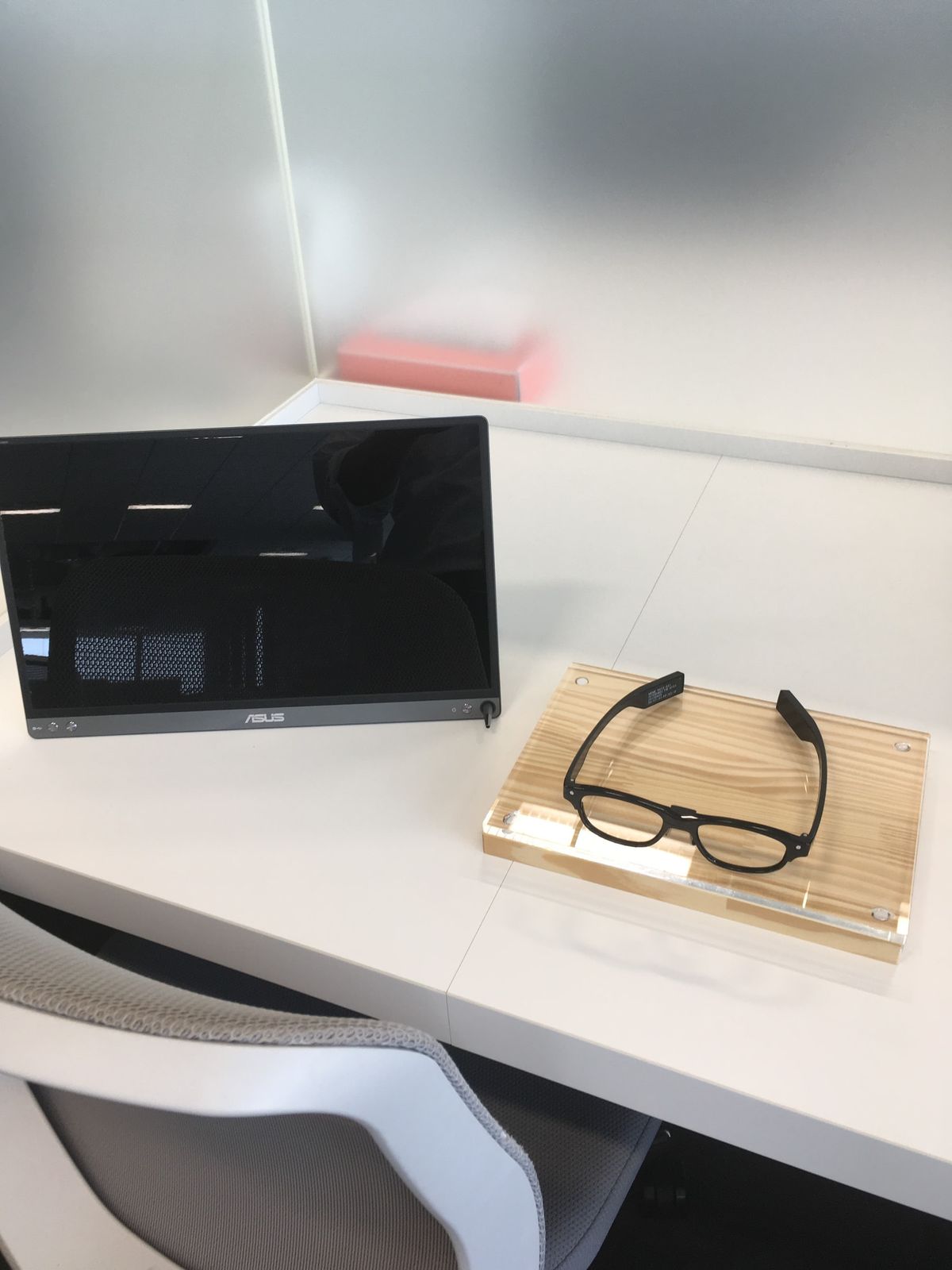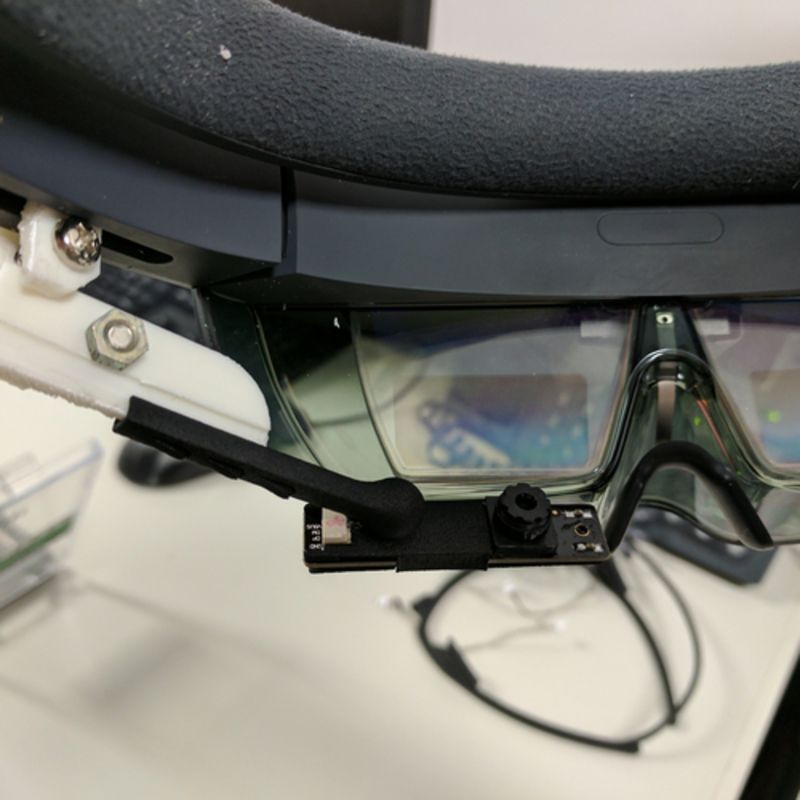
In an increasingly interconnected world, and with a greater flow of information, more people are having problems with keeping attention and focus. Attention is a finite resource, and we need to use it smartly. We need new tools to better manage our attention, to improve our collective intelligence. There are patterns in human physiological signals (facial expressions, heart rate, nose temperature, eye movements, blinks etc.) that can reveal information about intentions and cognitive functions of an individuals and groups. So far, this data is only heavily exploited by advertisement and marketing companies. This projects aims at exploring these patterns using an Open Eyewear Platform to better understand our behavior.
In this project, we work on an Open Eyewear Platform, a toolset to quantify social and cognitive functions of individuals and groups of people in real life settings using physiological sensing (e.g. eye movements, blink patterns, facial expressions etc.). After we can quantify these social and cognitive functions, we are designing interactions/ interventions to improve behavior.
Why Eyewear? As humans receive most of their sensory input via the head, it is a particularly interesting body location for sensing and interaction especially for tracking and enhancing social and cognitive functions. In contrast to Google Glass and early wearable system approaches that just attached devices to standard glasses, we envision exploiting smart eyeglasses for assistance applications through fully integrated sensing, processing, and interaction functions in the regular spectacles design, thus maximizing unobtrusiveness.
We work on how: (1) to quantify social and cognitive functions using sensors embedded in unobtrusive eyewear to better understand our behavior, (2) to visualize this data to provide insights to individuals and groups about their behavior and to design interventions to improve behavior and effectiveness based on your personal goals, (3) to make an Open Eyewear toolset available to individuals. In a second step, we explore interactions to improve behavior: learn smarter, work smarter, live smarter.
Era: GEIST lab, Graduate School of Media Design, Keio University (2015 to 2026).
Source: project page of the earlier geist.pro site, archived copy.
Gallery
2 images