ActiveKeio · TU Clausthal
Augmented Perception
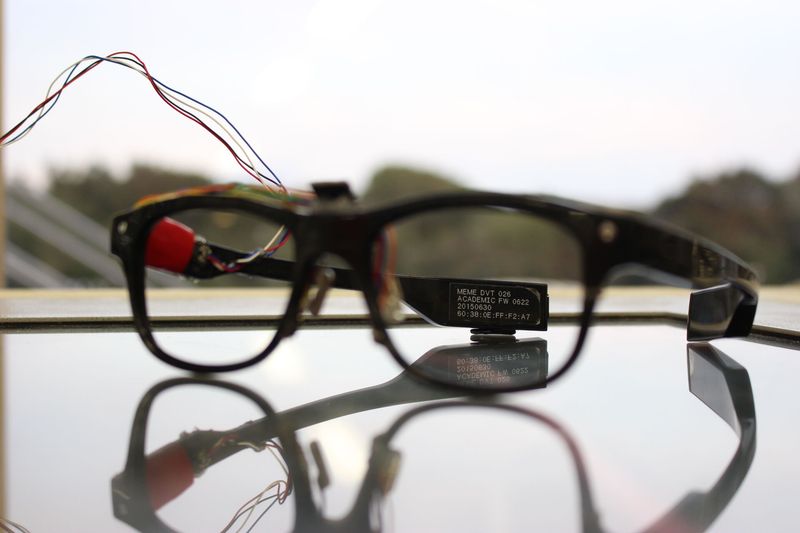
Smart glasses and wearables as a sensing and actuation platform that sits directly at the human senses.
GEIST lab
We design, build, and study technologies that extend the human senses through wearable computing, extended reality, biosensing, and cognitive augmentation. We want to use technology to better understand, play with and augment human capacities.
Six areas
Embedding intelligence into everyday objects worn on the body: glasses, e-textiles, on-skin electronics.
Designing XR/VR/AR systems that enhance perception, enable new social interactions, and recreate experiences.
Capturing and interpreting physiological signals (EMG, EEG, heart rate, eye-tracking) for human-centered feedback.
AI and sensor-driven systems that support attention, memory, learning, and mental well-being.
Designing with and for people of all abilities: assistive technologies, accessible making, older adults.
Soft robotic companions and floating drones that create affective, physical, and expressive interactions.
Active
ActiveKeio · TU Clausthal
Smart glasses and wearables as a sensing and actuation platform that sits directly at the human senses.
GEIST lab
ActiveKeio · TU Clausthal
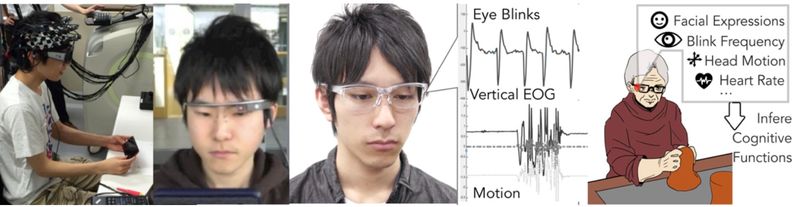
Wearable sensing that captures reading, attention and gaze synchrony, applied to cognitive health and dementia prevention.
Kai Kunze
ActiveKeio · TU Clausthal
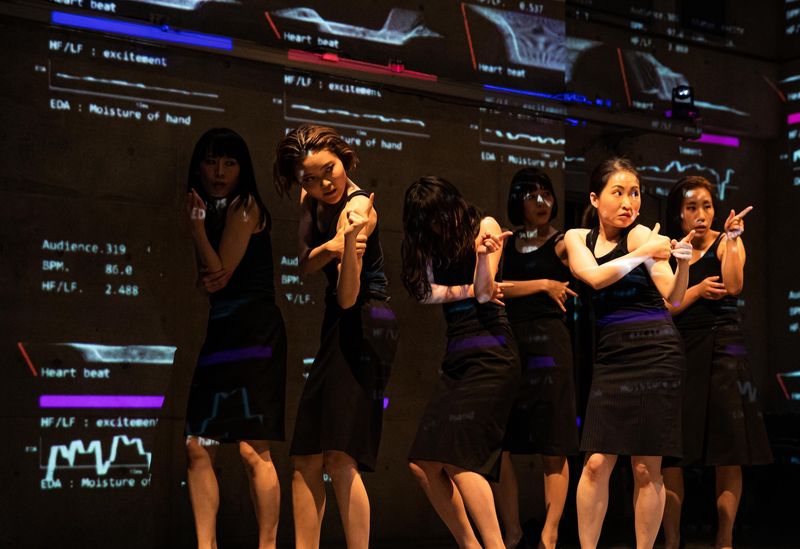
Making emotional states measurable, transferable and shareable, from audience physiology at live performances to digital empathy.
GEIST / Embodied Media
ActiveKeio · TU Clausthal
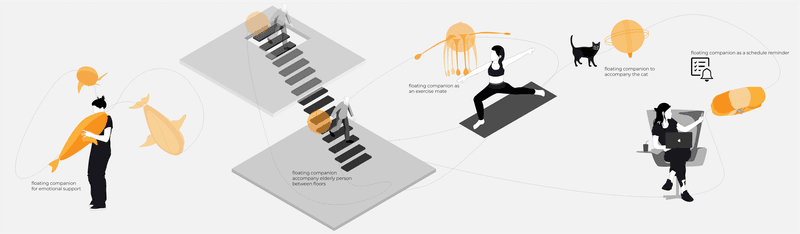
A design space for soft, helium-filled floating robots in indoor environments; Best Paper Award at DIS 2026.
Xu et al., Floating Companion, DIS '26 (ACM)
ActiveTU Clausthal
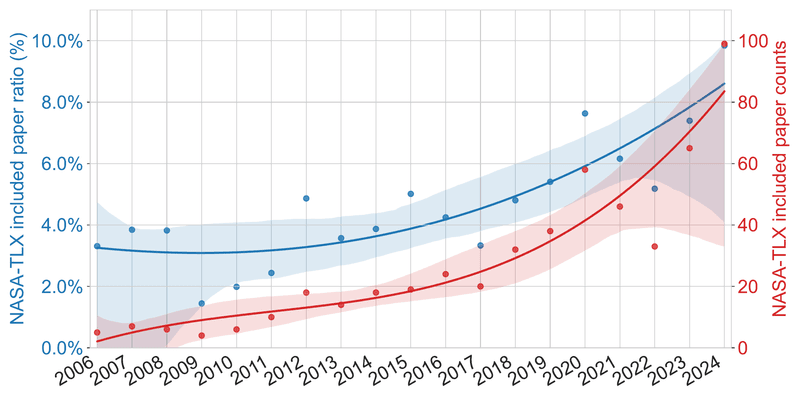
What 19 years of workload reporting at CHI taught us, six implementation guidelines and two open-source tools (ACM TOCHI 2026).
Lee et al., NASA-TLX in CHI, ACM TOCHI 2026
ActiveKeio · GEIST
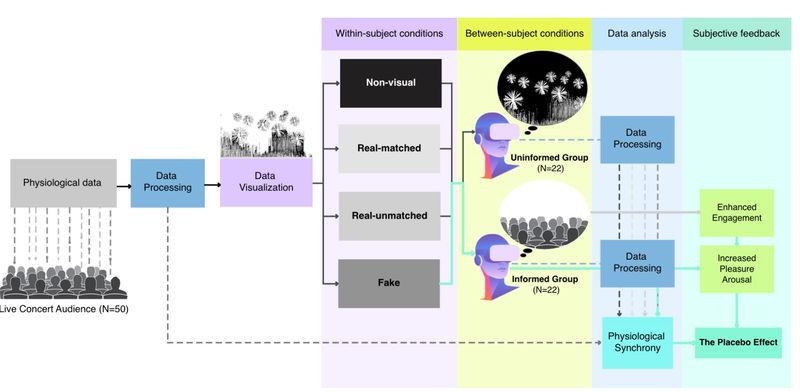
Telling people that abstract visuals represent audience physiology changes a VR concert more than whether the data is real (CHI '25).
Meng et al., A Placebo Concert, CHI '25 (ACM)
ActiveKeio · GEIST
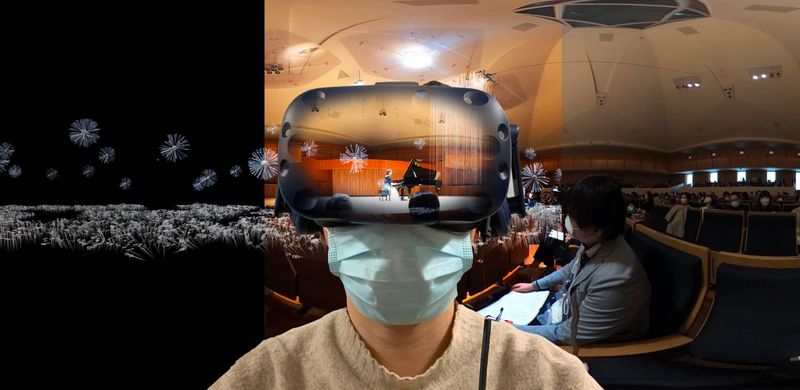
Abstract visualisations of audience arousal synchronise VR concert visitors with the original live audience better than 360-degree video (AHs 2026).
Meng et al., Abstraction Beats Realism, AHs 2026 (ACM)
ActiveKeio · GEIST
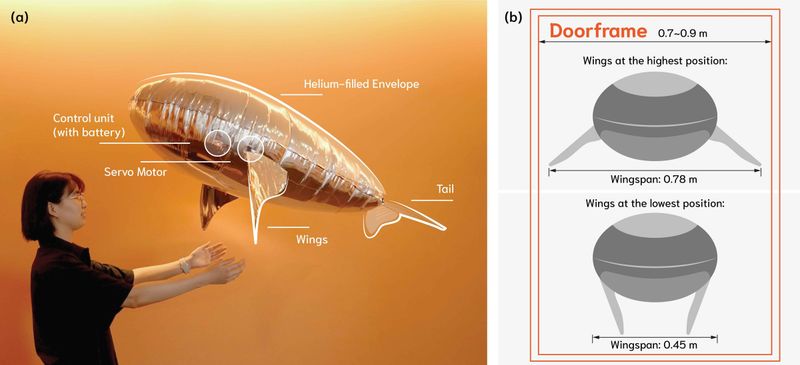
A soft floating robot with flapping wings that people can safely touch, pat and hug (AHs '25).
Xu et al., Cuddle-Fish, AHs '25 (ACM)
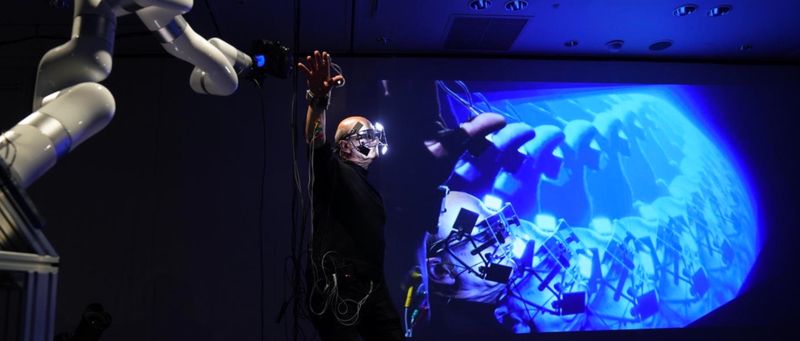
ActiveKeio · GEIST
Audience bodies synchronise with a human-machine hybrid performer even when their minds are confused (AHs 2026).
© 2024 Hiroyasu Daido, used with permission
No active project carries this topic. Show all projects.
Archive · Keio
GEIST / Embodied Media

Kai Kunze
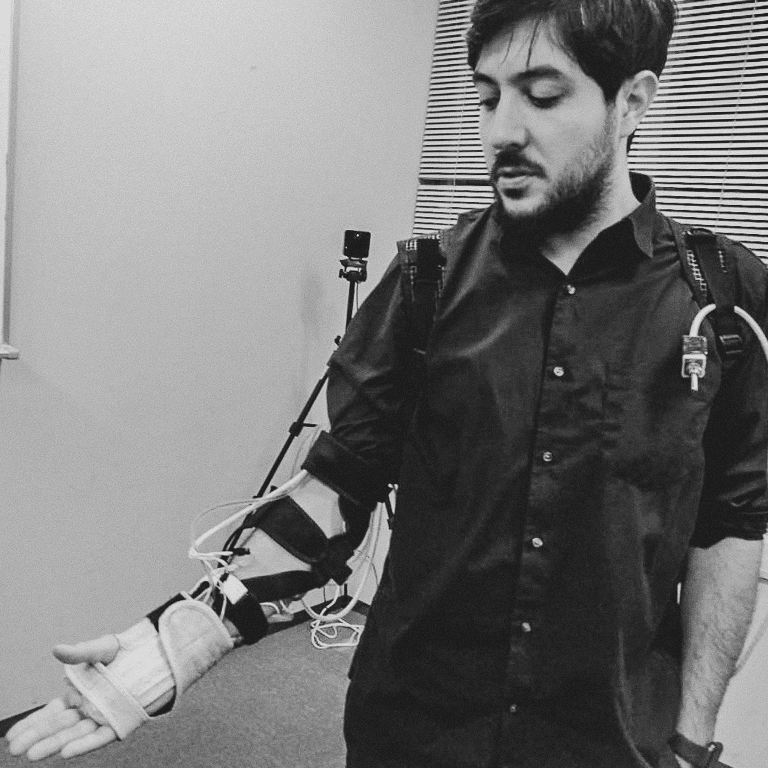
GEIST lab, Keio University
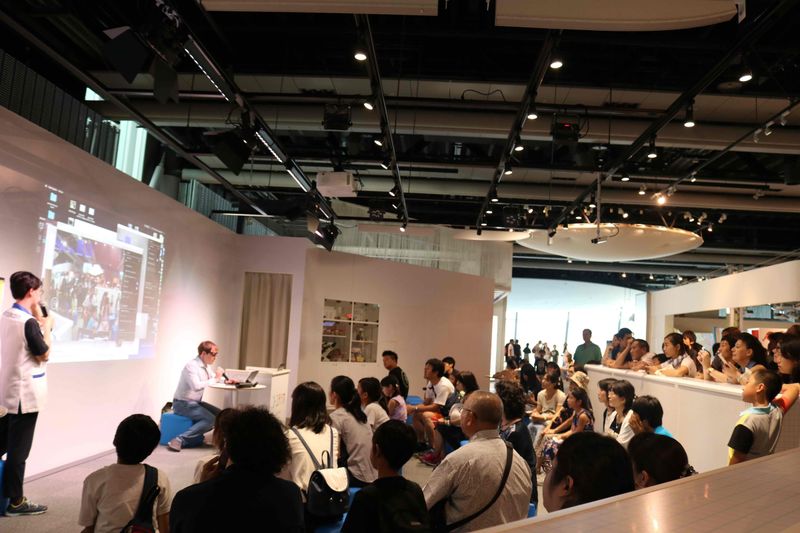
Kai Kunze
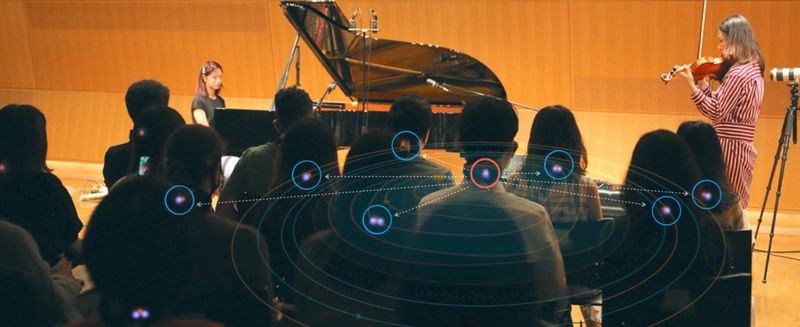
GEIST / Embodied Media
GEIST lab
Archived projects keep their pages and publications; new work continues at TU Clausthal.